Understanding Refrigerators: A Comprehensive Guide
When it comes to essential kitchen appliances, the refrigerator stands out as one of the most crucial. A quality refrigerator helps keep your food fresh, provides convenience, and plays an integral role in maintaining a healthy diet. In this guide, we will delve into various types of refrigerators, their key features, important buying considerations, maintenance tips, and frequently asked questions. Whether you’re moving into a new home or just looking to upgrade, this information aims to equip you with all the knowledge needed to choose the right refrigerator for your needs.
Types of Refrigerators
Top-Freezer Refrigerator
The top-freezer refrigerator is a classic design that remains popular due to its affordability and space-saving capabilities. It features a refrigerator compartment above the freezer, typically allowing easy access to daily items like milk and produce. These models are generally more energy-efficient and come in a variety of sizes, making them ideal for small kitchens or apartments.
French Door Refrigerator
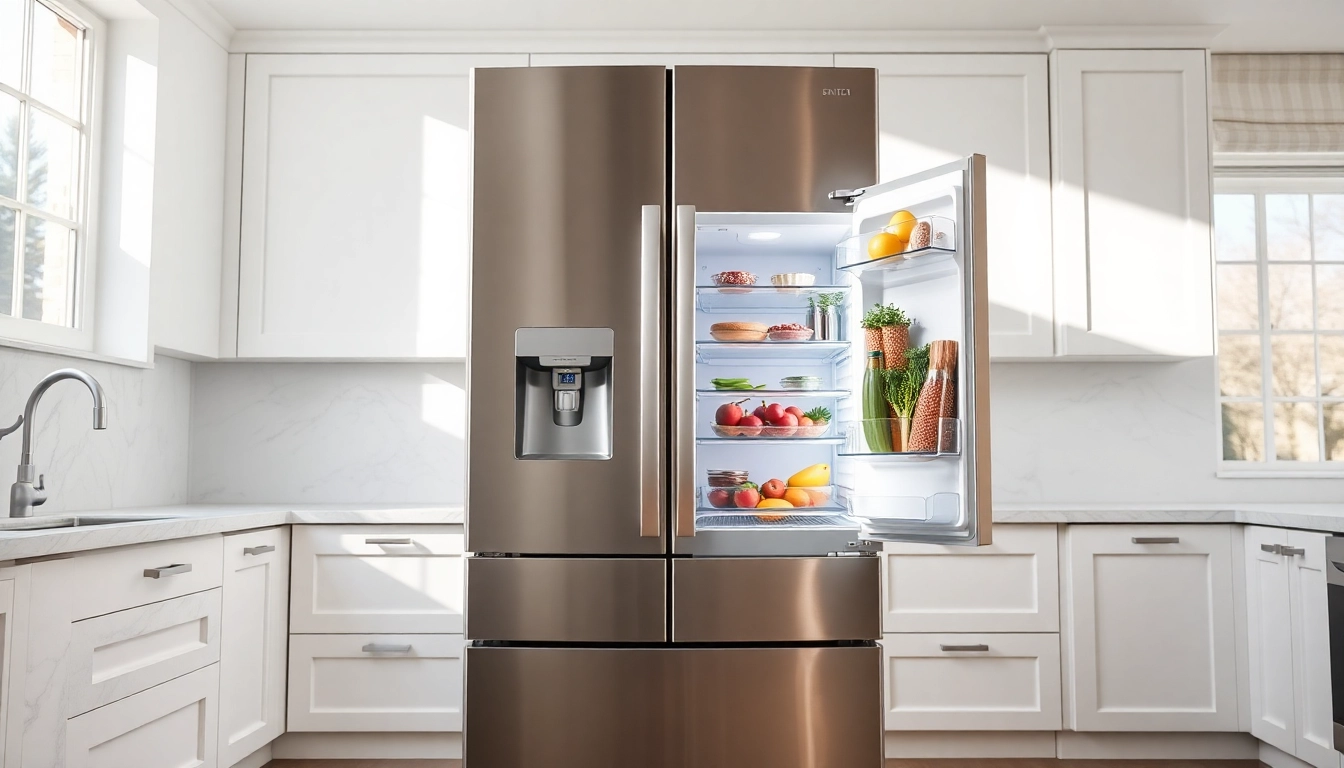
French door refrigerators are recognized for their elegant design, combining a freezer at the bottom and two refrigerator doors at the top. This layout enables easy access to fresh foods, while the bottom door offers ample space for frozen items. French door models often feature advanced technology such as temperature-controlled drawers and in-door ice makers, making them a favorite for modern kitchens.
Side-by-Side Refrigerator
Side-by-side refrigerators showcase a vertical split design, with the refrigerator on one side and the freezer on the other. This configuration provides easy visibility to both compartments and is particularly effective in narrower spaces. Many side-by-side models come equipped with water and ice dispensers, offering added convenience for families and entertainers alike.
Key Features of Refrigerators
Energy Efficiency Ratings
Energy efficiency is a critical factor when choosing a refrigerator. Most models come with an energy guide label, displaying an estimated yearly electricity cost. Look for ENERGY STAR certified models to ensure optimal energy savings, which can significantly lower your utility bills while minimizing your carbon footprint.
Cooling Technologies
Modern refrigerators utilize various cooling technologies to improve freshness and prolong food life. Multi-air flow systems distribute cool air evenly throughout the fridge while specialized drawers provide ideal humidity levels for fruits and vegetables. Additionally, some advanced models offer smart cooling systems that adjust temperatures based on the contents.
Storage Options and Layouts
The interior of a refrigerator can be custom-tailored to fit your lifestyle. Adjustable shelving allows flexibility for larger items, and door bins provide easy access for small bottles or condiments. Some refrigerators also feature pull-out drawers for deli meats, fresh produce, or quick-access snacks, enhancing your food management efficiency.
Buying Considerations for a Refrigerator
Size and Capacity Requirements
Choosing the right size and capacity for your refrigerator is vital. Standard widths range from 30 to 36 inches, and timeless models offer capacities from around 14 cubic feet to over 30 cubic feet. Consider the volume of food you regularly store and the available space in your kitchen when selecting your refrigerator.
Budget and Pricing Factors
Refrigerator prices can vary significantly based on type, brand, and additional features. Basic top-freezer models start at around $500, while more advanced models, like built-in French door refrigerators, can exceed $10,000. It’s essential to balance your budget with the features that suit your needs, including energy efficiency and space requirements.
Style and Aesthetics
Refrigerators come in various finishes and styles, ranging from stainless steel to custom paneling, allowing you to match your kitchen décor. Some models include features like hidden handles and counter-depth designs for a seamless look. The style plays a significant role in enhancing the overall ambiance of your kitchen while also providing functionality.
Maintenance Tips for Refrigerators
Regular Cleaning and Care
To ensure your refrigerator operates efficiently, regular cleaning is essential. Wipe down surfaces and shelves with mild soap and water, and vacuum coils to remove dust and debris. Every few months, check expiration dates and clean out old items to maintain a fresh interior.
Common Issues and Troubleshooting
Common refrigerator issues include temperature fluctuations, unusual noises, and leaks. If your refrigerator isn’t cooling properly, first check the temperature settings and inspect the door seals for gaps. If problems persist, consider consulting the user manual or reaching out to a professional for assistance.
Tips for Energy Conservation
Optimizing your refrigerator’s energy consumption not only reduces costs but also extends the appliance’s lifespan. Keep the refrigerator full but not overcrowded to ensure proper air circulation. Additionally, limit the frequency of door opening and closing to maintain consistent internal temperatures.
Frequently Asked Questions About Refrigerators
What is the difference between a fridge and refrigerator?
A fridge is often a casual term for refrigerator, referring specifically to the cooling section that typically does not include freezing functionalities. Refrigerators encompass both cooling and freezing compartments, offering a broader range of food storage solutions.
How much will a refrigerator cost?
The cost of refrigerators varies significantly. Basic models can start at approximately $500, while high-end or built-in designs may exceed $10,000, depending on type, features, and brand quality.
How long should a refrigerator last?
On average, refrigerators have a lifespan of 10-20 years, depending on usage and maintenance. Regular upkeep and prompt repairs can help extend the appliance’s life beyond its expected duration.
What temperature should a refrigerator be set at?
The ideal refrigerator temperature is between 32°F and 40°F (0°C to 4°C) to ensure food safety and freshness. The freezer should be set at 0°F (-18°C) or below for optimal food preservation.
Can refrigerators be energy efficient?
Yes, many modern refrigerators are designed to be energy efficient. Look for ENERGY STAR labels, which signify that a model meets strict energy efficiency guidelines, potentially saving you money on utility bills.