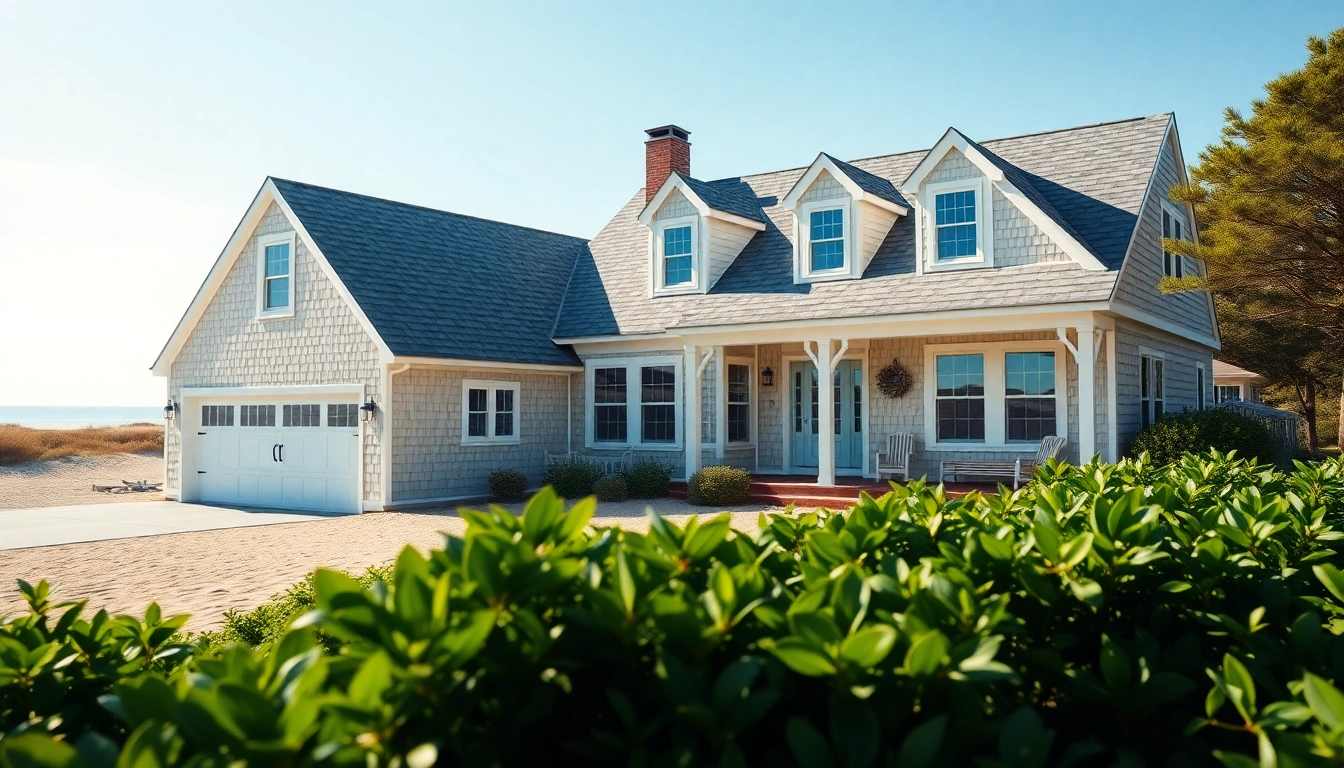
Understanding the Cape Cod Home Aesthetic
The cape cod home is a quintessential symbol of New England’s architectural heritage. Characterized by sloping roofs, symmetrical lines, and simple yet charming aesthetics, this style marries functionality with timeless beauty. Over the years, it has gained popularity beyond its origins, often inspiring homeowners to embrace its style for modern living.
Key Features of Cape Cod Homes
Cape Cod homes are designed with specific elements that make them both practical and visually appealing:
- Steep Roofs: The iconic steeply pitched roofs help shed snow and rain, making these homes durable in challenging weather.
- Symmetry: Symmetrical facades often include centrally located entryways, contributing to the homes’ balanced appearance.
- Wooden Details: Shingle siding, often painted in muted colors, adds warmth and tradition while still being resilient against the elements.
- Small Footprints: Traditionally designed to be compact, these homes maximize living space efficiency.
- Chimneys: Prominent, often centrally located chimneys are essential features that reflect the style’s historical roots.
The Historical Significance of Cape Cod Design
Originating in the 17th century, Cape Cod homes were built by early settlers who required durable structures to withstand the harsh coastal climate. These homes are inspired by English cottages, evolving into a style that perfectly encapsulates the spirit of New England. Historical records suggest that their design was mainly influenced by practicality and local availability of materials, making them adapt to the rigorous lifestyle of those times.
Modern Adaptations of Cape Cod Style
While the traditional Cape Cod style remains popular, modern adaptations have introduced innovative design elements, enhancing functionality and sustainability. Homeowners today often incorporate:
- Open Floor Plans: Modern Cape Cod homes favor open spaces for a seamless flow between kitchen, dining, and living areas.
- Energy-Efficient Materials: Sustainability concerns have led to the usage of energy-efficient windows and insulation, reducing environmental impact.
- Smart Technology: Integration of smart home technology promotes comfort and efficiency, allowing homeowners to manage their environment intuitively.
- Additional Stories: Expanding vertically with second stories or dormers is a common way to adapt the classic floor plan while maintaining its aesthetic appeal.
Planning Your Home Expansion Project
Embarking on a home expansion is a significant endeavor that requires careful consideration. Whether you plan to add an attached garage or expand your living areas, assessing your current space and project needs is crucial.
Assessing Your Space and Needs
Start by evaluating your existing space. Determine how much more room you require and consider what functions the new space will serve. Here are some aspects to analyze:
- Current Limitations: Identify the limitations of your present layout, including unused spaces or cramped areas.
- Future Needs: Consider upcoming lifestyle changes such as growing families, emerging hobbies, or remote work requirements.
- Integration: Ensure that the new space integrates effortlessly with the existing house structure and enhances its character.
Obtaining Necessary Permits
Before commencing any construction, it’s vital to familiarize yourself with local zoning laws and building regulations. Obtaining the proper permits is necessary to avoid legal complications and ensure safety standards. Engage with local authorities or hire a professional to navigate through the permitting process efficiently.
Creating a Budget for Your Project
Establishing a clear and realistic budget is key in planning an expansion. Consider all potential costs, including:
- Construction Costs: Analyze material and labor expenses. Obtaining multiple quotes can help find the best deals without sacrificing quality.
- Design Fees: If hiring an architect, account for their fees in your budget.
- Permits and Fees: Don’t forget costs associated with obtaining building permits and inspections.
- Unexpected Expenses: Set aside a contingency fund (typically 10-20% of the total budget) for unforeseen issues that may arise during construction.
Design Ideas for Attached Garages
When contemplating an attached garage, thoughtful design is essential to maintain the aesthetic cohesiveness of your cape cod home. The garage should serve functional purposes yet enhance your home’s curb appeal.
Seamless Integration with Your Cape Cod Home
To achieve seamless integration, consider the following elements:
- Matching Materials: Use similar materials and colors found in your home’s exterior to create a harmonious look.
- Architectural Elements: Extend architectural features like gables, windows, or decorative shingles from your home into the garage design.
- Landscaping: Thoughtful landscaping around the garage entrance can enhance visual appeal while providing a natural transition.
Choosing Materials that Enhance Aesthetics
Select materials that not only provide durability but also enhance the overall charm of your attached garage. Potential materials include:
- Natural Wood: Create a warm, inviting appearance through wooden doors and siding.
- Stone Accents: Incorporating stone elements can complement the traditional Cape Cod look and ground the design in a natural context.
- Vinyl Siding: For a cost-effective solution, quality vinyl siding can replicate wood grain textures and withstand the elements.
Functional Layouts for Maximum Utility
The garage’s layout should prioritize functionality, catering to your vehicle storage needs and additional uses:
- Workspaces: Consider integrating a small workshop or tool storage area to optimize utility.
- Storage Solutions: Utilize vertical space with shelving while ensuring that there’s still adequate room for maneuvers.
- Natural Light: Incorporating windows can make the space feel more open and inviting while also improving visibility.
Landscaping Around Your Cape Cod Home
Effective landscaping can significantly enhance the curb appeal of your cape cod home, complementing its architectural style and creating an inviting environment.
Enhancing Curb Appeal with Coastal Plants
Selecting coastal plants is beneficial for creating a landscape that harmonizes with the surrounding environment and requires less maintenance. Consider:
- Native Grasses: Beach grass or fescue creates a natural look and withstands salt and wind.
- Colorful Perennials: Flowers like daylilies or black-eyed Susans provide vibrant, low-maintenance color.
- Drought-Tolerant Shrubs: Incorporate flowering shrubs that thrive in coastal climates such as rose hips or bayberry.
Patio and Outdoor Living Space Ideas
Creating outdoor living spaces extends your home’s footprint while enhancing enjoyment of your yard. Explore the following options:
- Patios: A stone or brick patio can provide a comfortable space for outdoor dining.
- Decks: Building a deck extends living space and can serve as a sunny gathering area.
- Fire Pits: Creating a fire pit area adds a cozy touch, perfect for gatherings and evening relaxation.
Lighting Solutions for Evening Ambiance
Lighting plays a crucial role in creating a welcoming outdoor atmosphere. Consider these options:
- Pathway Lights: Illuminating walkways enhances safety while adding charm.
- Deck Lights: Soft lighting on decks or patios can create an inviting ambiance during gatherings.
- Garden Uplights: Highlighting trees or architectural features provides a dramatic effect at night.
FAQs about Cape Cod Home Expansions
What are the benefits of expanding a Cape Cod home?
Expanding a Cape Cod home can enhance living space, improve property value, and allow for modern amenities while preserving its traditional charm.
How do I maintain the architectural integrity of my Cape Cod home?
Choose materials and designs that align with traditional features such as shingle siding and symmetrical layouts to maintain authenticity.
What cost factors should I consider for an attached garage?
Consider material costs, labor expenses, and any necessary structural changes to ensure a functional and aesthetically pleasing addition.
How can I improve the energy efficiency of my Cape Cod home?
Utilizing proper insulation, energy-efficient windows, and modern HVAC systems can significantly enhance energy efficiency and reduce utility costs.
Are there zoning regulations for home expansions?
Yes, local zoning regulations vary, and it’s essential to consult with your city or county to ensure compliance when considering expansions.