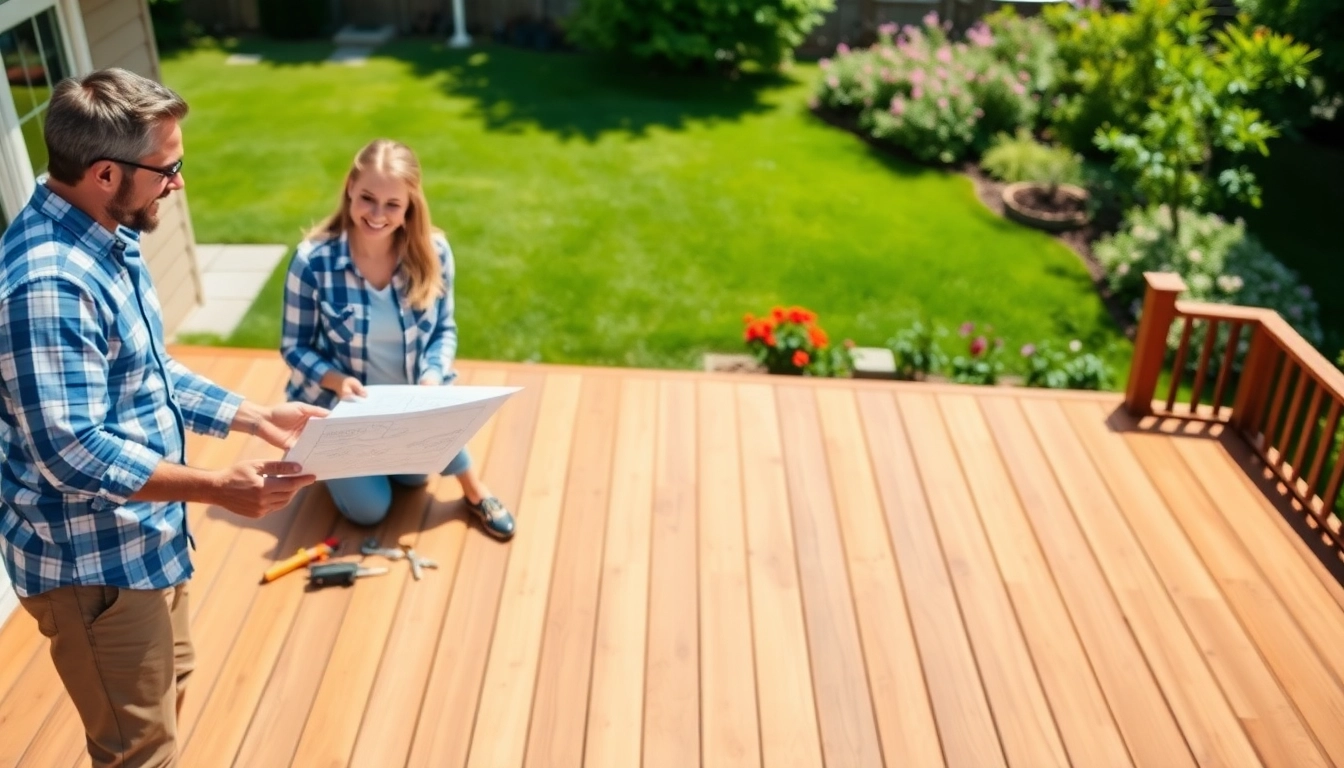
Understanding the Basics of Deck Building
What is Deck Building?
Deck building is the art and science of constructing outdoor decks, which are flat, roofless structures attached to a building. These spaces are often used for recreation or social activities, providing an area to relax, entertain, or enjoy nature. The process involves careful consideration of various elements such as materials, design, location, and regulations. Proper deck building can significantly enhance a property’s aesthetic appeal and increase its value. Exploring deck building can be both rewarding and fulfilling for DIY enthusiasts and homeowners alike.
Materials Commonly Used in Deck Building
The choice of materials is crucial in deck building, as it impacts durability, maintenance, aesthetics, and cost. Here are some commonly used materials:
- Wood: Traditional and popular, various types of wood like pressure-treated lumber, cedar, and redwood are used for their natural beauty and strength.
- Composite: Made from a mix of wood fibers and plastic, composites offer durability and require less maintenance than traditional wood.
- PVC: Polyvinyl chloride (PVC) decking is completely synthetic and resistant to rot, splinters, and insects, making it a low-maintenance option.
- Aluminum: Lightweight and incredibly durable, aluminum is resistant to corrosion and is often used in high-end deck projects.
Key Tools for Successful Deck Building
Having the right tools can make or break your deck building project. Essential tools include:
- Drill/Driver: For making holes and driving screws.
- Level: To ensure your deck is evenly constructed.
- Saw: A circular saw or miter saw is necessary for cutting decking materials accurately.
- Measuring Tape: Accurate measurements are critical for a successful build.
- Safety Gear: Gloves, goggles, and ear protection should always be used to ensure safety during construction.
Planning Your Decking Project
Choosing the Right Location for Deck Building
Location plays a pivotal role in your deck building project. Consider factors such as sunlight, privacy, accessibility, and existing landscape features. Decks should ideally be located in spaces that are easily accessible from the house and enhance the home’s outdoor experience, such as near kitchens for ease of serving food or facing a beautiful view.
Design Considerations for Effective Deck Building
Your design choices will shape the functionality and aesthetics of your deck. Think about:
- Deck Shape: Traditional rectangular designs are functional, but curves and multi-level designs can add flair.
- Railings: Consider safety and aesthetics; you can choose from wood, composite, glass, or metal materials.
- Stairs and Access: Plan for easy access to and from the deck while considering safety with appropriate railing heights.
Permits and Regulations in Deck Building
Before starting your project, check with local building authorities regarding permits and zoning regulations. Depending on your location, you may need to submit your plans for approval to ensure compliance with safety codes, which can include criteria for height, structural integrity, and setback from property lines.
Steps to Constructing Your Deck
Preparing the Site for Deck Building
Site preparation is critical for a successful build. This involves clearing the area of debris, vegetation, and ensuring the ground is level. Mark the outline of your deck with stakes and string to visualize its dimensions, ensuring you leave ample space for construction access.
Building the Foundation: Footings and Frame
The foundation of your deck is essential for its longevity. Start with footings, which are concrete bases supporting the frame. Key steps include:
- Digging holes for footings according to local frost lines.
- Pouring concrete and allowing it to cure.
- Constructing horizontal beams that connect to the footings, using appropriate brackets and connectors for stability.
- Building the frame with joists spaced correctly to support the decking material.
Decking Installation Techniques
Once the frame is ready, it’s time to install the decking. Techniques may vary based on the material used:
- Wood Decking: Secure boards perpendicular to the joists, using screws for strength. Leave gaps for drainage.
- Composite Decking: Follow the manufacturer’s guidelines as these often require specific fasteners and spacing.
- PVC Decking: Install similarly to composite but be mindful of temperature expansion; use a hidden fastening system.
Finishing Touches for Your Deck
Paining or Staining Your Deck
Finishing your deck with stain or paint not only enhances its appearance but also protects it from the elements. Choose products specifically designed for outdoor use:
- Paint: Provides a solid color that can be easily customized but may require more maintenance.
- Stain: Enhances the natural wood grain and requires less frequent reapplication.
Adding Accessories and Furnishings
Accessories can transform your deck into a comfortable and stylish extension of your home. Consider adding:
- Furniture: Durable outdoor seating and tables enhance usability.
- Lighting: Install ambient lighting for evening gatherings.
- Plants: Incorporate planters to add greenery and life to your space.
Safety Features and Maintenance in Deck Building
Ensure safety by installing railings, proper lighting, and non-slip surfaces, enhancing the enjoyment of your deck. Routine maintenance, including power washing and checking for wear and tear, will help extend its lifespan significantly.
Common Challenges in Deck Building
Weather Considerations for Deck Building
Weather can significantly impact your deck building project. Avoid working during inclement weather or intense heat as it can cause materials to warp or result in poor workmanship. Be prepared to adapt your schedule based on weather forecasts.
Dealing with Budget Constraints
Budget limitations can be a common hurdle in deck building. Start by establishing a clear budget, prioritizing essential components of the project. Research products and prices ahead of time and consider scaling down the design for a more manageable cost without compromising quality.
Tips for Avoiding Mistakes in Deck Building
Many mistakes can be mitigated with proper planning and preparation. Double-check measurements, follow installation instructions carefully, and seek advice from experienced builders when unsure. A detailed plan can also help streamline the construction process and prevent miscalculations.
FAQs
What factors should I consider before starting my deck building project?
Before starting, consider location, materials, budget, and design preferences. Always check local regulations.
How do I choose the right materials for deck building?
Evaluate durability, maintenance needs, cost, and appearance. Common choices include wood, composite, and plastic.
What permits are needed for deck building?
Permits vary by region, but typically you need a building permit to ensure compliance with local codes and safety standards.
What maintenance is required for a deck?
Regular maintenance includes cleaning, sealing, and inspecting for damage to extend the lifespan of your deck.
Can I build a deck myself?
Yes, many homeowners opt for DIY deck building, but adequate planning, design, and skill are essential for success.