Understanding the Double Girder Bridge Crane
The double girder bridge crane is an essential piece of equipment in various industrial sectors, known for its exceptional load-bearing capabilities and stability. Unlike its single girder counterparts, the double girder crane is designed with two parallel girders, allowing for better structural integrity and support for heavier loads. This type of crane is particularly beneficial for operations that require frequent lifting of significant weights, making it a staple in manufacturing, construction, and warehousing operations.
What is a Double Girder Bridge Crane?
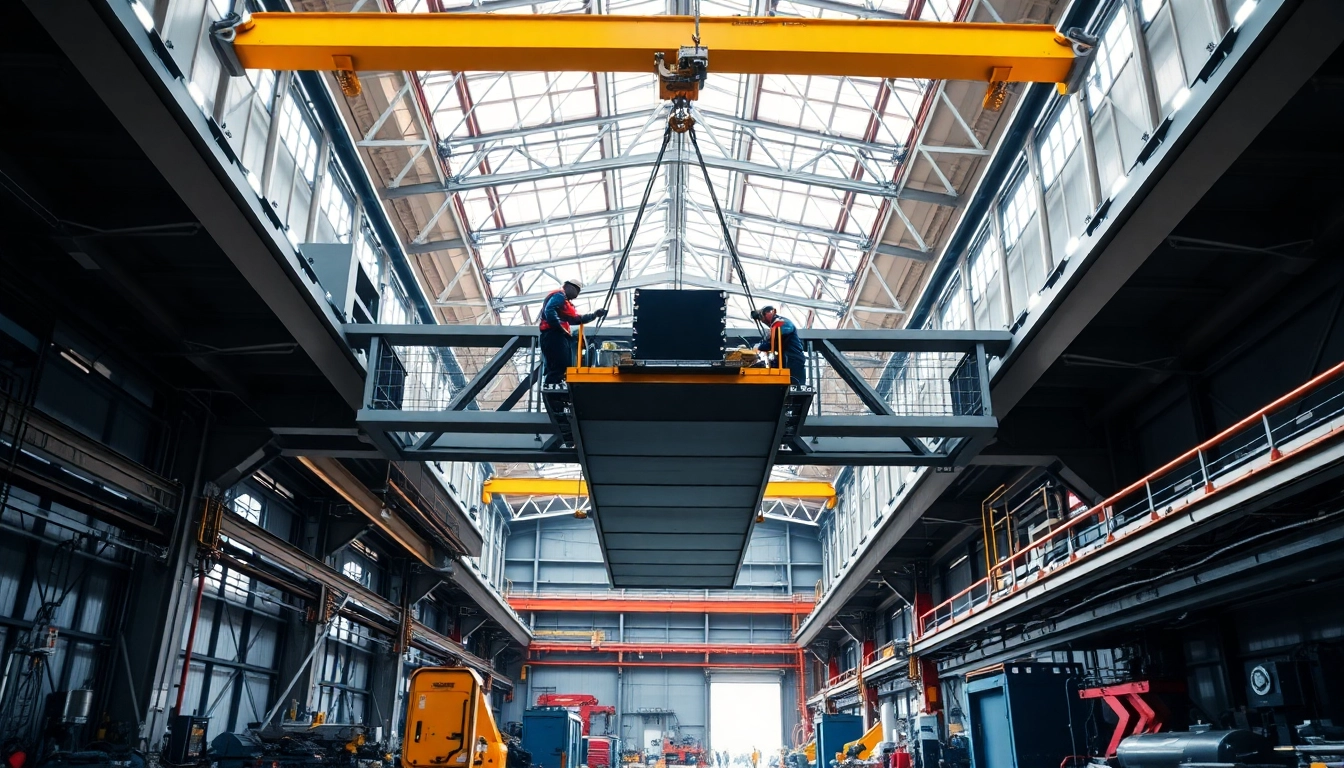
A double girder bridge crane is an overhead lifting device that features two main girders positioned parallel to one another, providing high strength and stability. This design enables the crane to handle larger loads compared to single girder cranes. The crane consists of a hoist that travels along the girders, allowing for precise movement of materials across a defined area. The end trucks connected to either end of the girders facilitate movement along the runway, while the hoist can be operated either overhead or from beneath the girders, depending on the configuration.
Components and Mechanisms Explained
The components of a double girder bridge crane are designed to work in harmony for efficient operation. Key elements include:
- Main Girders: The heavy-duty horizontal beams that support the crane's weight and the loads it lifts.
- Hoist: An electric or manual device that raises and lowers the load.
- End Trucks: Wheels or rollers that allow the crane to move along the runway.
- Controller: Operated by an operator to control the movements of the crane and hoist.
- Runways: The tracks on which the crane moves, typically built into the facility's structure.
These components work together to create a system that is both powerful and reliable for industrial applications.
Benefits Over Single Girder Models
When comparing double girder bridge cranes to single girder models, several advantages become evident:
- Higher Load Capacity: Double girder cranes can typically handle heavier loads, making them ideal for industries that require intensive lifting capabilities.
- Better Height Under Hook: The design of double girder cranes allows for greater lift height, enabling more efficient use of space in warehouses and factories.
- Increased Stability: The two-girder design provides enhanced stability, reducing sway and improving safety during operation.
- Versatility: They can be customized for various applications, accommodating different load sizes and operational requirements.
Applications of Double Girder Bridge Cranes
Double girder bridge cranes are employed across a wide range of industries, reinforcing their versatility and importance. They are particularly prevalent in sectors such as manufacturing, automotive, construction, and shipbuilding, where heavy lifting is commonplace.
Industries Utilizing Double Girder Cranes
Several industries benefit from the use of double girder bridge cranes, including:
- Manufacturing: Used for transporting raw materials and finished products within factories.
- Construction: Essential for lifting heavy materials, such as steel beams and concrete blocks, on construction sites.
- Aerospace: Employed in assembly plants for moving large aircraft components.
- Shipping and Logistics: Vital for loading and unloading cargo from ships and containers at ports.
Case Studies: Successful Implementations
Real-world applications of double girder bridge cranes demonstrate their efficiency. For example, a manufacturing facility may implement a double girder crane to streamline its production line, resulting in a 30% increase in operational efficiency due to reduced cycle times for material handling. Another notable case is in the construction industry, where a double girder crane was used on a high-rise development, significantly enhancing the speed of material lifts and improving site safety.
Common Challenges and Solutions
While double girder bridge cranes are highly effective, they do come with challenges, such as:
- Space Limitations: In tighter spaces, maneuverability can be an issue. Solutions include customizing crane dimensions.
- Maintenance Needs: Routine inspections and maintenance are critical for safety. Implementing proactive maintenance schedules can mitigate issues.
- Operational Training: Ensuring operators are trained to handle complex crane controls is vital for safety. Comprehensive training programs can address potential skill gaps.
Choosing the Right Double Girder Bridge Crane
When selecting a double girder bridge crane, several factors must be considered to ensure the right fit for your operational needs.
Key Specifications to Consider
Some of the critical specifications include:
- Load Capacity: Ensure the crane can handle the maximum load you expect to lift.
- Span: The distance between the support structures; larger spans allow for more flexibility in movement.
- Height of Lift: Determine the necessary height to accommodate your lifting needs without compromising on safety.
- Speed of Operation: Consider the speed at which you require the crane to operate; this will affect productivity levels.
Comparing Different Models and Brands
It’s essential to analyze various brands and models when purchasing a double girder bridge crane. Key points of comparison include:
- Performance Ratings: Review customer testimonials and performance metrics from previous users.
- Warranty and Support: Investigate the warranty offered and the availability of support services post-purchase.
- Customization Options: Explore the adaptability of specific models to your unique requirements.
Customization Options for Specific Needs
Many manufacturers offer customization options for double girder bridge cranes. These may include:
- Specialized Hoists: Tailored hoists for specific materials such as magnets for steel or custom grips for specific loads.
- Control Systems: Options for remote control or automated systems for enhanced operational efficiency.
- Finish and Coating: Custom coatings for cranes used in harsh environments to ensure longevity and durability.
Best Practices in Operating Double Girder Cranes
To maximize the efficiency and safety of double girder cranes, adopting best practices in operation and maintenance is paramount.
Safety Protocols and Compliance
Adhering to safety regulations is crucial in crane operations. Key protocols include:
- Regular Inspections: Conduct routine checks to ensure that all components are functioning correctly.
- Operator Training: Provide training to operators on safety measures and operational procedures.
- Load Testing: Perform periodic load tests to verify the crane can handle specified weights safely.
Maintenance Tips for Longevity
To ensure that double girder cranes remain operational for years, maintenance practices should be followed:
- Lubrication: Regularly lubricate moving parts to prevent wear and tear.
- Component Replacement: Keep an eye on parts that show signs of fatigue and replace them promptly.
- Documentation: Maintain records of all inspections and repairs to track the crane's condition over time.
Training Best Practices for Operators
Effective training programs are essential for the safe operation of double girder cranes. Recommended practices include:
- Hands-On Training: Provide operators with practical experience under the supervision of experienced personnel.
- Simulation Training: Use simulators to allow operators to practice without the risks of actual crane operations.
- Continuous Education: Offer ongoing training to refresh skills and update operators on new technologies and best practices.
Future Trends in Crane Technology for 2025
The landscape of crane technology is evolving. As we approach 2025, several trends are expected to impact the industry significantly.
Innovations in Double Girder Bridge Cranes
Future innovations may focus on enhancing efficiency and safety, such as:
- Smart Technology: Integration of IoT devices for real-time monitoring and diagnostics.
- Energy Efficiency: Development of cranes with improved energy consumption to reduce operational costs.
- Enhanced Automation: Adoption of automation in lifting operations to minimize human error and improve productivity.
Predicted Market Trends and Growth Areas
The market for double girder bridge cranes is anticipated to grow, fueled by increasing demand in various industries, including construction and logistics. Key growth areas include:
- Sustainable Construction: The rise in green building practices is prompting the use of more efficient cranes.
- Smart Manufacturing: Industrial automation will likely lead to increased reliance on advanced crane systems.
- Global Trade Expansion: Growth in global trade will drive demand for efficient material handling solutions.
The Role of Automation and Robotics in Crane Operations
As we look to the future, automation and robotics are poised to reinvent crane operations. These technologies can enhance efficiency, reduce operational costs, and improve safety by minimizing human involvement in high-risk activities. Additionally, robotics can assist in performing complex maneuvers that are challenging for human operators, further driving productivity in industrial environments.